彭博社:安利利用哈佛大学成就与中国的关系(9)
误解
安利公司顾问和秘书Michael Mohr说,“世界上大多数的传统经营,不能被视为一座金字塔,因为没有人通过招募新人赚钱,效益都是基于产品的销售,那是被误解了”。
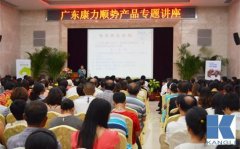
在中国,郑伊美---一个穿着一件白色衬衫、黑色的裙子和高跟鞋的娇小 23 岁女子,五年前通过公共汽车站见到的人第一次听说了安利,从那时起,她出席了定期在合肥举办的会议。郑说,她希望在她14 岁辍学成为制衣工人后有机会为自己工作,她曾在一家面包店、一家超市做称重的工作,在那里她每月挣700块,她说她现在有了更大的抱负。
在中国的2名销售人员告诉彭博社,安利的奖金制度是如何运作的:你卖的产品越多,你获得越高的销售佣金。一名销售人员还向彭博社展示了在互联网关于该制度的详细解释。
‘Misunderstood’
“The traditional plan, which operates in most of the world, can’t be deemed a pyramid, because no one earns a thing based on the act of recruitment,” says Michael Mohr, Amway’s general counsel and secretary. “Benefit is only accrued based on the sale of product. That has been misunderstood.”
In China, Zheng Yimei, a petite 23-year-old in a white blouse, black skirt and heels, first heard about Amway from someone she met at a bus stop five years ago. Since then, she’s attended meetings regularly in Hefei. Zheng says she wanted the opportunity to work for herself after dropping out of school at 14 and toiling as a garment worker, in a bakery and at a supermarket weighing produce, where she earned 700 yuan a month. She says she has bigger ambitions now.
Two salespeople in China told Bloomberg Markets how Amway’s compensation system works: The more products you sell, the higher the commission you get. One of the salespeople showed Bloomberg Markets a document on the Internet with detailed illustrations of the system.