彭博社:安利利用哈佛大学成就与中国的关系(2)
一切皆有可能
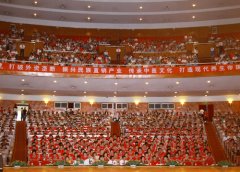
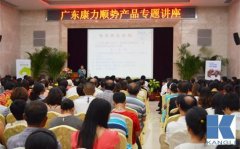
曹先生介绍了几十个成功的销售代表,他们告诉观众,“相信自己,一切皆有可能!”
高寒平,因为安利辞去铁道部的工作,拍摄视频炫耀自己购买的豪华轿车、私家花园和他在拉斯维加斯的度假照片。“人们都说安利的工作是艰难的,他们不想去干”,高说,“努力工作才是成功的关键”。
1959年,安利在美国密歇根州的小镇成立,便推出了其直销系统:小贩挨家挨户推销产品的一个企业化版本,一条通往财富和幸福的路径。现在,这种“美国方式”越来越多的依赖于中国,中国的销售额占安利母公司---安达高集团(Alticor Inc)全球113 亿美元收入的40%。这是一次重大的转变,要知道,15年前的中国曾全面禁止直销,严重危及安利的增长。
其后,安利通过改变其业务模式,并第一次设立店铺,从而重建了它在中国的领先地位。它还通过与美国最负盛名的哈佛大学联手,改善安利公司的声誉。
‘Nothing Impossible’
Cao introduces dozens of successful representatives, who tell the audience, “Believe in yourself and nothing is impossible.” Gao Hanping, who left a job with the railway ministry for Amway, starts with a video showing his luxury car, a home with a garden and photos of his vacation in Las Vegas.
“People say working for Amway is tough; they don’t want to do it,” Gao says. “Hard work is the key to success.”
Since its founding in small-town Michigan in 1959, Amway has pitched its direct-sales system — a corporatized version of peddlers going door to door — as a path to wealth and happiness. Now, its “American Way” depends increasingly on China, which accounted for almost 40 percent of parent company Alticor Inc.’s $11.3 billion in global revenue last year. That’s a remarkable turnaround, considering that China banned direct selling entirely 15 years ago, endangering Amway’s growth.
Amway won back its place in China by changing its business model and opening stores for the first time. It also improved its reputation by teaming up with America’s most prestigious school: Harvard University.